
Your portfolio is your digital handshake. It’s the first thing people see when they’re curious about your work. So, choosing the right free web template portfolio is more than just picking something pretty. Think about what you want to showcase. Are you a designer? A photographer? Maybe a writer? Each goal needs a template that fits like a glove. And don’t forget your audience. What will grab their attention? A clean layout? Bold visuals? Start with what matters most to you, and you’ll be on the right track.
Key Takeaways
- Think about your goals before picking a portfolio template. Knowing what to show helps you pick the best design.
- Know what your audience wants. Make your portfolio stand out by showing what matters to them.
- Pick a template that is simple and works well. A clean design keeps people interested and looks good on all devices.
- Find templates you can change. Adjusting colors, fonts, and layouts makes your portfolio special and shows your style.
- Make sure it works on your platform. Choose a template that fits your platform to avoid problems and save time.
Define Your Portfolio Goals
Purpose of Your Portfolio
Before picking a template, think about why you need one. Are you showing off creative work like photos or designs? Maybe you’re a writer or coder wanting to display your skills. Your goal decides the layout and features you’ll need. For example, photographers might like gallery-style templates. Writers might prefer ones focused on text.
Ask yourself: What do you want people to notice first? Is it your best work, your skills, or both? Knowing this helps you choose a template that matches your goals. A clear purpose makes your portfolio stronger. It shows people who you are and what you can do.
Understanding Your Audience
Your portfolio isn’t just about you—it’s also for your viewers. Are you trying to impress clients, employers, or teammates? Each group looks for different things. For example, clients may want to see variety, while employers focus on your skills.
Knowing your audience can make your portfolio better. Research shows:
| Audience Insight | Source |
|---|---|
| Companies using data in marketing see 15-20% more ROI. | McKinsey |
| Data-driven marketing keeps customers coming back. | Adobe |
| Analytics users are 3 times more likely to improve ROI. | HubSpot |
| Advanced analytics double chances of top financial success. | Bain & Company |
| Analytics-driven companies grow revenue by 27% yearly. | Aberdeen Group |
These stats are about businesses, but the idea is the same: knowing your audience helps. When you know what they want, you can adjust your portfolio to fit. This could mean picking a free template with easy navigation or mobile-friendly features for a smooth experience.
Features of a Great Free Web Template Portfolio

Design and Layout
The design and layout show how your work is viewed. A simple and neat design grabs attention and keeps people interested. Use grids to display your projects. Grids look tidy and help viewers browse easily.
Here are some design trends to improve your portfolio:
| Design Trend | How It Helps |
|---|---|
| Attractive designs | Makes users stay and enjoy your portfolio |
| Mobile-friendly layouts | Works well on all devices |
| Builds trust | Creates a good impression of your brand |
| Better user actions | Encourages visitors to interact more |
Pick a free template that matches these trends. A good design makes your portfolio memorable and impressive.
Customization Options
Your portfolio should show who you are. Customization helps with this. Look for templates that let you change colors, fonts, and layouts. This way, you can make your portfolio unique.
For example, with a customizable template, you can:
- Change colors to fit your style.
- Pick fonts that match your work.
- Move layouts to highlight your best pieces.
These features let you create a portfolio that feels personal. They also help you stand out from others.
Functionality and Responsiveness
A great portfolio isn’t just about looks—it needs to work well too. Many people use phones to browse, so your portfolio must work on all devices. Responsive designs make sure it looks good everywhere.
Here’s why this matters:
- Quick loading keeps visitors from leaving.
- Easy navigation helps people find things fast.
- A polished look on all devices keeps users engaged.
Choose a free template that includes these features. A functional and responsive design makes it easy for people to enjoy your work.
Platform Compatibility
When picking a free portfolio template, think about where it will work. Not all templates fit every platform. Some are made for WordPress, while others suit Wix, Squarespace, or custom HTML setups. Choosing the right template saves time and avoids problems.
Here’s why matching your platform matters:
- Ease of Use: A template not made for your platform can be hard to use. For example, a WordPress template won’t work on Wix without big changes.
- Features and Plugins: Platforms have special tools or plugins. A matching template lets you use these without trouble.
- Performance: Templates built for a platform load faster and work better. This keeps visitors happy and interested.
Tip: Before downloading, check if the template fits your platform. Websites often list supported platforms.
If you use WordPress, find templates marked “WordPress-compatible.” On Wix, search their template marketplace. This small step avoids hours of fixing later.
Think about future plans too. Will you stay on the same platform or switch later? A flexible template that works on many platforms is a smart pick. It lets you grow without starting over.
Platform compatibility isn’t just a tech detail. It’s key to building a smooth, easy portfolio. Choose carefully, and you’ll be glad you did!
5 Trending Free Portfolio Templates You’ll Love

Template 1: Description and Features
If you want a stylish and modern look, try Template 1. It’s great for creative people like designers, photographers, or developers. The layout is simple, with lots of white space to highlight your work. Setting it up is quick—just a few clicks, and you’re done.
You can change colors, fonts, and sections to fit your style. This template works on all devices, like phones, tablets, and computers. The drag-and-drop tool makes moving things around super easy, even if you don’t know coding.
Tip: Use the gallery option to show off your best projects. It’s a great way to catch attention and keep visitors interested.
Template 2: Description and Features
Template 2 focuses on being simple and useful. It’s made for professionals who need an easy-to-use portfolio. The setup is fast, and the design is simple to understand.
One great feature is its ability to work on different platforms. Whether you use WordPress, Wix, or Squarespace, this template fits perfectly. You can also customize it to match your needs by changing the layout and design.
| Feature | Description |
|---|---|
| Customizable Templates | Change templates to match your job or style. |
| User-Friendly Design Tool | Drag-and-drop tools make creating your portfolio simple. |
| Cost-Effective Marketing | Free templates help you save money while showing your work. |
This template is perfect for anyone wanting a professional portfolio without spending money.
Template 3: Description and Features
If you want a bold and creative portfolio, Template 3 is for you. It uses bright colors and fun layouts to make your work stand out. Artists and illustrators love this template for showing their creativity.
The design works well on all devices, so your portfolio looks great everywhere. It’s also easy to set up, so you can start quickly. The best part? It’s completely free! You can have a professional portfolio without spending anything.
- Why you’ll love it:
- Quick and easy setup with just a few clicks.
- Simple to use, saving you time.
- Works on all devices, like phones and computers.
With Template 3, you can create a portfolio that shows your unique style and personality.
Template 4: Description and Features
Template 4 is great for a neat, professional look. It works well for fields like consulting, education, or technology. These areas need simple layouts and easy navigation. The grid-based design keeps your work organized and easy to view.
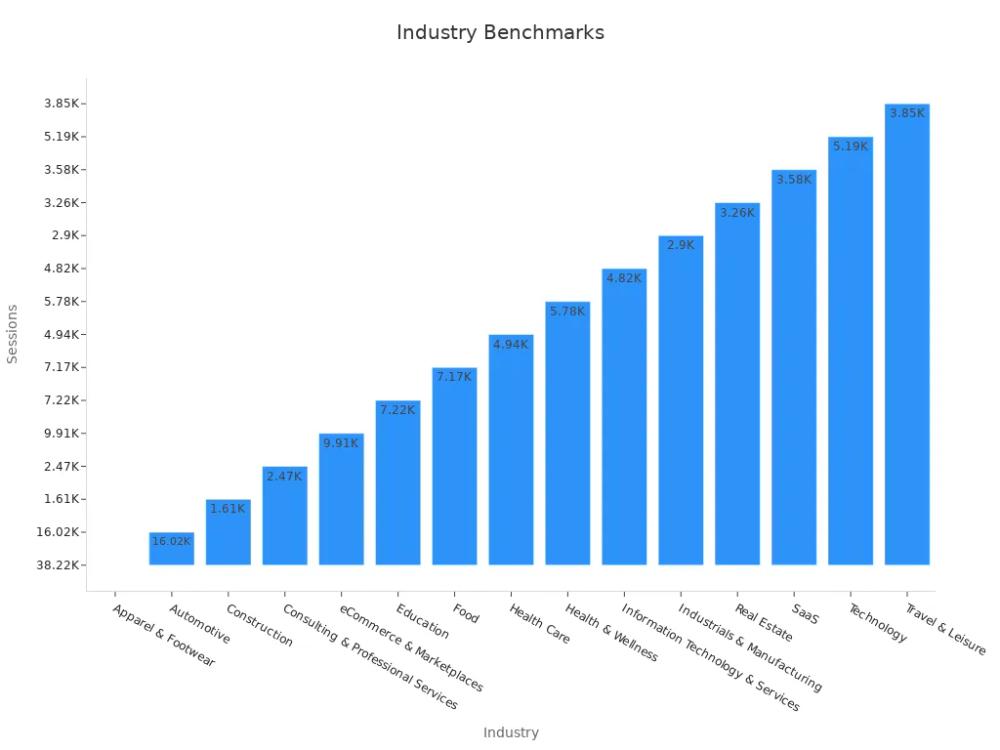
A special feature is its analytics tool. It tracks how visitors use your portfolio. This helps you see what they like most. For example, Apparel & Footwear industries average 38.22K visits, while Technology gets 5.19K visits. This data helps you improve your portfolio for better results.
| Industry | Sessions |
|---|---|
| Apparel & Footwear | 38.22K |
| Technology | 5.19K |
| Education | 7.22K |
| Consulting & Professional Services | 2.47K |
This template also lets you customize easily. Change colors, fonts, and layouts to match your style. It’s fully responsive, so it looks great on phones and computers. No matter the device, your audience will have a smooth experience.
Tip: Use the analytics tool to find popular sections of your portfolio. This can help you improve your content and attract more viewers.
Template 5: Description and Features
Template 5 is perfect if you want a bold and useful portfolio. It’s made for creative people like photographers, artists, and writers. This template helps you show off your work in an eye-catching way.
Users love its simple design and great performance. It’s easy to use and customize. Key metrics, like user satisfaction and feature popularity, show how well it works. These features make it a favorite for many professionals.
| Metric Type | Description |
|---|---|
| User Satisfaction Ratings | High ratings show the feature meets user needs and is enjoyable. |
| General User Pleasure | Measures how much users like the product overall. |
| Performance Metrics | Tracks key features to improve satisfaction and usability. |
This template also works on platforms like WordPress and Wix. It’s flexible and easy to set up. The drag-and-drop editor makes customization simple, even for beginners.
Pro Tip: Use the gallery feature on the homepage to show your best work. It’s a great way to grab attention and keep visitors interested.
Template 5 combines beauty and practicality. It’s free, easy to use, and helps your work shine. It’s a great choice for anyone wanting a standout portfolio.
Making the Final Choice
Comparing Templates to Your Goals
Picking the right portfolio template starts with your goals. Think about what you want to show. Are you highlighting creative work, skills, or both? Each template has special features, so choose one that fits your needs. For example, photographers might like gallery layouts. Writers may prefer templates that focus on text.
Follow a simple plan to decide. Break it into three steps: problem, solution, and impact. For example:
- Problem: You need to display your best work clearly.
- Solution: Pick a template with flexible sections and mobile-friendly design.
- Impact: Your portfolio looks polished and grabs attention.
Research shows 83% of employers like seeing work samples over just reading resumes. This means your template should make it easy to showcase your work effectively.
Here’s a quick look at performance metrics to help you decide:
| Performance Metric | Description |
|---|---|
| User Satisfaction Scores | Shows how happy users are with the template. |
| Average Response Time | Measures how fast the template responds. |
| Error Rates | Tracks how often users face problems. |
| Technology Types | Lists tools used in the template. |
| Trends and Issues | Highlights benefits and areas to improve. |
By checking these metrics, you can find a template that matches your goals and works smoothly.
Testing Usability and Customization
After narrowing down your choices, test them out. Usability and customization are very important. First, check how easy it is to use the template. Can visitors find your work quickly? A good template should make browsing simple.
Next, try customizing it. Can you change colors, fonts, or layouts to match your style? A free template that lets you adjust these things will help you stand out. Move sections or add new ones to see how flexible it is.
Here’s a tip: Test your portfolio on phones, tablets, and computers. A responsive design ensures it looks great everywhere. Slow loading or confusing navigation can turn visitors away, so make sure it works well.
Testing usability and customization now will save you trouble later. It ensures your portfolio looks great and works perfectly for your audience.
Choosing the right portfolio template can be simple. First, think about your goals and what you want to show. Next, look at important features like design, flexibility, and how it works on devices. The five templates we shared are great for building a free portfolio that shows your style.
Excited to begin? Visit atemplate.com to check out these templates. Change them to fit your ideas and make your portfolio unique. 🎨✨
FAQ
1. Can I use these templates for business purposes?
Yes, most free templates let you use them for business. However, always check the license to be sure. Look for phrases like “free for business use” or “no credit needed” on the download page.
2. Do I need to know coding to edit these templates?
Nope! Many templates have drag-and-drop tools that are easy to use. You can change colors, fonts, and layouts without writing any code.
3. Are these templates good for phones and tablets?
Yes! All the templates listed here work well on all devices. They adjust automatically to look great on phones, tablets, and computers, so your portfolio will always look amazing.
4. How do I pick the right template for my portfolio?
Think about what you want to show and who will see it. Do you want to focus on pictures or writing? Choose a template that fits your style and highlights your best work. Trying out a few can help you decide.
5. Can I change templates later if I switch platforms?
Yes, but you might need to make some changes. Look for templates that work on different platforms like WordPress or Wix. This makes switching easier without starting over.
Tip: Always save a backup of your portfolio before changing templates to keep your work safe.